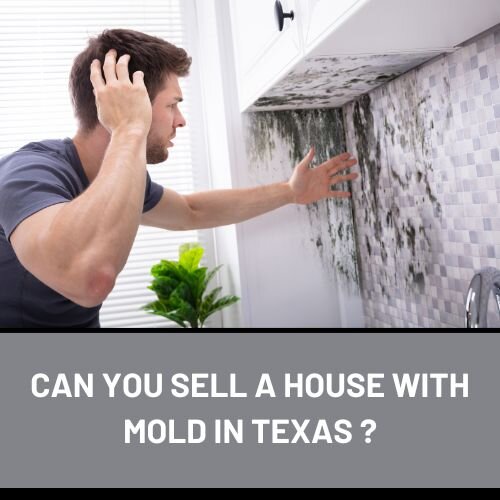

Finding mold in your Texas home is stressful, especially if you want to sell. Mold can harm your home’s structure and appearance and make it harder to sell. Despite mold, a house can be sold. Just know what they are. We’ll discuss mold’s effects on real estate deals, what to say about mold in Texas, and how to fix it to make selling your house easier and increase its worth.
Brief Overview
Texas is damp, thus mold thrives in homes. This method of selling a house may lower its value and appeal to buyers, making it tougher to sell. Texas homeowners selling a house with mold must comply with the state’s mold disclosure rules, conduct extensive mold examinations, and remove the mold effectively. Buyers will trust you more if you are honest about mold, try to fix it, and respect the law. This will also streamline the deal. These tips will help you sell your property for more, keep it valuable, and stay healthy.
Key Highlights
- Hot Texas makes mold growth more prevalent, which is bad for homeowners.
- Honest mold checks help fix issues before buyers see the house, keeping prices high.
- If you violate Texas’s mold disclosure laws, you may have difficulties closing the acquisition.
- To permanently remove mold, hire professionals and take steps around the property to prevent it.
- Being honest about mold issues builds trust and simplifies homebuying and selling.
Understanding Mold Issues in Texas Homes
Texas is humid, thus many homes contain mold. Homeowners should know about this issue. Texas has a lot of mold. This section explains how to find it in your home. Knowing these facts can help people prevent mold and market their homes better.
The Prevalence of Mold in Texas
Texas is hot and humid, making mold easy to grow in dwellings. Mold is everywhere in homes due to nature. Mold’s visible and hidden effects affect people daily. Mold infects many homes nationwide, from the coast to the damp middle. Mold can grow indoors and out. In Texas, mold spores are everywhere. The health and safety of homes depend on knowing how common they are.
Mold grows more after storms or heavy rain. Water can get into homes and make them damp, welcoming mold. Mold grows quickly in wet places like basements, bathrooms, and attics after rain or snow. This accelerates house air and item decomposition. Since mold spreads quickly, finding and resolving mold problems quickly is crucial.
Mold is less likely if you maintain air movement and fix leaks and damp spots quickly. There are ways to prevent mold, but Texas weather puts some homes at risk. Regularly having skilled mold inspectors inspect your house will help you find hidden mold that could harm your family and possessions. Careful homeowners may keep their homes mold-free and healthful. This will maintain the house’s value and appeal.
Common Signs of Mold in Your Home
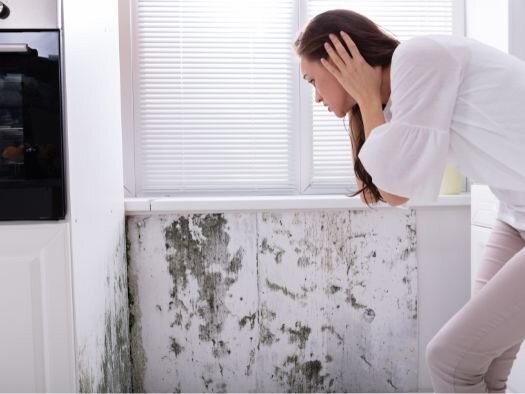
You must know how to identify mold in your home to eliminate or reduce its effects. Mold can grow in several forms, which may not be visible at first. Many people associate mold with a musty smell. People often smell these fragrances before seeing changes, making this an early warning system.
Mold might appear as small black patches on walls and ceilings or large green, gray, or black blotches. Mold thrives around windows, pipes, and leaky roofs. It’s also in closets, basements, and other damp places. Cracking or peeling paint or wallpaper may indicate mold beneath the walls.
People allergic to mold or having difficulties breathing may cough, sneeze, or have trouble breathing after being around it. If housemates get sick and feel better after leaving, mold is likely present. Mold must be identified and removed quickly to protect your home’s foundation and occupants.
If you find mold, act quickly. Mold won’t grow if you clean affected areas with the right chemicals and allow enough airflow. You should also seal water leaks to prevent mold growth. These steps will prevent mold from entering your home and increase its value if you sell it.
The Importance of Mold Inspection Before Selling
Mold testing is essential before selling your home. This will help you sell your house quickly and for a fair price. Many Texas properties have mold issues, lowering their value and reducing buyer interest. This section describes how a thorough mold inspection may discover mold and protect your home. Knowing these facts helps Texas home sellers handle mold issues quickly and wisely. This will improve the house’s appearance and sellability.
How Mold Inspection Can Protect Your Property Value
A mold inspection may help you retain or increase the value of your Texas home. Before selling your home, these tests can reveal mold issues you may not have seen. Black mold on your home can harm it and make it unsafe for residents or potential buyers. Mold removal before a buyer sees your house shows honesty and responsibility, which are vital in a high-priced market. Detailed mold inspection records may also reassure buyers. This can stop fear-based discussions. More cautious homebuyers get advice from insurance or real estate agents. Mold-remediated houses are usually their preference.
Mold inspectors check basements, attics, and other water-damaged areas for mold. This test finds mold. It also checks for recurrence, which is vital to preventing mold. The mold inspection report may assist you in negotiating a sale price. It describes the house and mold severity. Fixing what the report recommends can improve your property. This protects your property and may increase its value, making it more appealing to neighborhood buyers.
You should have a mold inspection before selling your house. Selling your home in Amarillo will be easier and less stressful if you prepare it. You can also get a better deal by showing that you’ve maintained it and it’s fault-free. These tactics help sellers get serious bids and quickly reach agreements, which is the best way to sell a Texas house.
Identifying Mold Damage and Its Impact
Knowing how mold damage affects the sale is important since it can affect the price and number of buyers. Unrepaired mold damage can significantly lower a home’s value. Because of the climate, mold develops faster in Texas. Mold breaks things and costs a lot to fix, not just change their color. Damaged floors, walls, and ceilings are weaker. This might be disastrous if not corrected immediately. Moldy regions require a lot of labor, such as fixing broken sections, making repairs pricey.
Moldy homes may not be as comfortable. Modern homebuyers are smarter than ever and don’t want moldy homes. The purchase contract normally requires inspection. If you or a potential buyer finds mold during an inspection, it could delay the sale, slow talks, or even deter them from buying the house. Early mold detection and repair reduce these risks. It makes the deal more honest and builds confidence between buyer and seller.
Buyers also consider mold health issues. Mold spores can worsen allergies, respiratory difficulties, and other health issues in children and older adults. Mold is dangerous; families with health concerns are less likely to buy a house with mold. You can ease these health concerns by checking for mold and fixing any damage. This will also make your home safe and comfortable. Mold damage repair may increase buyer interest in your home, leading to faster sales and better offers.
Navigating Mold Disclosure Laws in Texas
Texas homeowners must know mold disclosure requirements before selling. Mold is a serious issue in Texas due to its warm temperature. Not warning potential purchasers about mold is illegal and builds confidence. We’ll discuss mold disclosure standards and how mold concerns affect buyers’ decisions. If sellers consider these issues, they’ll realize how important honesty is in real estate transactions.
Mandatory Mold Disclosure Requirements
Texas sellers must disclose mold to purchasers. This is mostly to clarify and safeguard buyers from unknown health risks. Texas legislation requires house sellers to disclose mold issues to buyers. As part of the statutory disclosure, the seller must provide a form showing mold removal efforts and remaining mold. Merchants do this to be honest and respect state laws. The agreement is protected for everyone.
Sellers who violate these sharing rules risk legal trouble. Someone who buys a house and discovers unresolved mold issues may sue the seller. It may be costly to settle or reclaim the land. Sellers should disclose mold issues to buyers before listing their home. This will reassure buyers and reduce risk-taking.
Disclosure of mold issues can help you sell your house. Sellers who are honest about mold problems usually don’t end deals over big issues; instead, little fixes are discussed. Most homebuyers like honest sellers. If the market is competitive, being upfront about mold issues may help sell a house in Texas. Knowing and following mold disclosure requirements improves the seller’s case by showing buyers they are honest and responsible.
Texas merchants must clearly warn purchasers about mold. To follow the rules, sellers can:
- Check your home for mold signs and previous attempts to remove it.
- Record everything the professionals performed to find and remove mold.
- Give potential buyers a mold-related form to fill out.
- You may want to organize a mold inspection to reassure purchasers about the home.
- Learn your state’s mold regulations to follow them.
- Be upfront about mold issues throughout negotiations to build confidence.
Doing these things beforehand protects your legal rights and builds buyer trust.
How Mold Problems Affect Potential Buyers
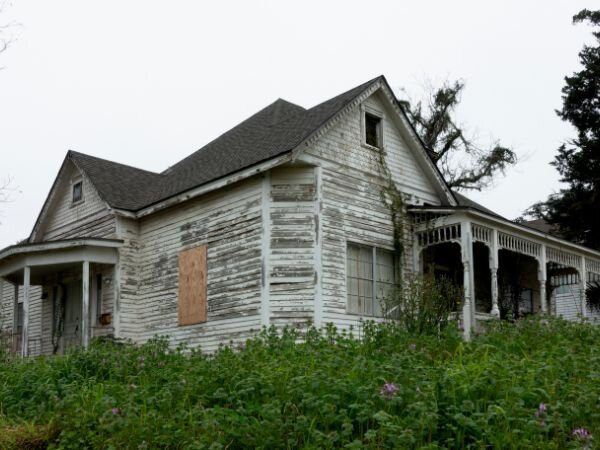
Texas homebuyers may reconsider if mold is present. Mold is a major red flag for homebuyers because it can damage the building and harm your health. Buyers are wary of homes with unreported mold issues. Mold exacerbates allergies and respiratory issues. This makes them less likely to buy the house or provide a good price if the seller doesn’t fix the dangerous mold.
Mold issues could make buying the house harder and delay negotiations. If the buyer finds mold in the house, they may want to investigate, which could delay and cost extra. Buyers may ask sellers to lower the price or fix the mold before closing if they’re worried about the cost. Buyers may earn less as their homes languish on the market longer.
Mold also discourages homebuyers. Health-conscious or family-oriented people are less likely to buy a moldy dwelling. Repairing some of these homes may make buying and selling them riskier, which may deter buyers. If possible, owners should avoid mold. People will trust you more and stop less. More buyers mean more chances for sellers to negotiate.
Sellers must understand these systems. Checking for and removing mold is the right thing to do, and it provides owners peace of mind that their property is safe. This method may help you sell your property faster and for more in Texas’s competitive real estate market. Mold issues can make traditional buyers hesitant, but you can sell your house fast for cash to JDub Buys Houses without waiting months for offers. Contact us today to get a fair Cash Offer!
Strategies for Mold Removal and Home Selling
If you want to sell your Texas house, plan to remove mold and maximize your selling plan. Mold can lower a house’s value and deter buyers. This section explains how to control mold and create a legal and honest property sale plan. This will maximize the sale price of your home.
Effective Mold Removal Techniques for Home Sellers
Mold removal is essential before selling a home. In Texas, the heat makes mold grow quickly. Before cleaning, you must do a thorough mold test to determine the extent of the damage. Professional mold removal is the best approach to permanently removing mold. This will permanently remove the mold. These companies use specific mold removal tools to protect the building’s structure and air quality.
Sellers can prevent and control mold themselves or with expert help. To keep bathrooms, attics, and basements dry, inspect them often. Mold spreads less if leaks or water damage are repaired immediately and airflow is good. In mold-prone areas, homeowners should use mold-resistant paints and sealants.
Honesty is key with mold issues. If the seller records mold removal and cleanup, future purchasers will know the seller is liable. Sellers use this information to reassure buyers about the house’s condition. This might speed up the process and prevent the buyer from being surprised by the house. Even with mold issues, the buyer feels more assured because they completed their research, making the house more appealing. Mold removal makes the house ready to sell and demonstrates that the seller is honest and fair.
Maximizing Your Sales Strategy: Overcoming Mold Challenges
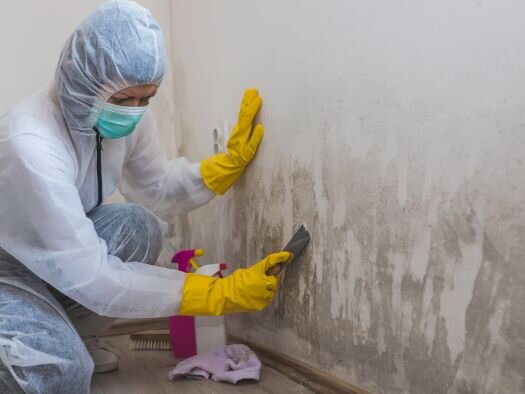
To sell your Texas home, you must remove mold and utilize smart marketing. First, disclose any mold issues if you wish to sell your home. Being honest about mold removal helps buyers trust you and is the right thing to do. Telling the truth about past mold issues keeps the conversation on comfort rather than uncertainty. This frequently eases discussions.
Knowing all Texas mold disclosure laws may help you sell better. These rules require vendors to disclose mold issues and repairs. This reduces the legal risks of concealing this information. Being upfront about this may speed up closure and increase the likelihood of a sale. Also, showing off repairs makes the house look better maintained.
It’s also important to price the house fairly and emphasize its improvements. Buyers may be more interested in the remediation’s changes, such as mold-resistant coatings or enhanced ventilation. Buyers may negotiate reduced prices if mold has been a problem. It’s important to discuss the property in a way that benefits both parties and shows its current value.
It’s designed to turn something bad into a chance to display how safe and well-built the house is. Truthful sellers who remove mold make their home more enticing to purchasers and improve their real estate reputation. When planning a sale, consider historical mold issues to acquire a reasonable price that covers the cost of fixing them and a successful sale.
You may sell your Texas home with mold if you know the rules and are honest. You can fix up your home or show off its potential to attract purchasers who wish to fix it up. Work with a house-buying service to buy a house quickly. Learn everything you can and obtain professional advice to ensure a successful deal. To make the sale go well and satisfy the customer, answer all their inquiries, and build trust. Homes with hidden problems like unpermitted renovations or structural concerns may require special disclosures.
Can you sell a house with mold in Texas?
You may sell your Texas house with mold. Knowing your alternatives and following Texas’s mold exposure laws are crucial. If you’re honest about the issues, fix them, and show off your effort, you’ll get the best price and sell easily.
What are the mold disclosure laws in Texas?
Mold concerns in a Texas home must be disclosed to buyers, even if they have been fixed. The seller must fill out a form listing mold problems fixed and untreated to comply with the legislation.
How does mold affect property value in Texas?
Mold makes a home less appealing to buyers and ruins it, which is expensive to fix. Mold can be dangerous and hard to breathe, so potential buyers are scared to buy your house. The residence becomes less desirable and valuable.
What steps should you take for mold remediation when selling a house?
We recommend hiring professionals to remove mold permanently and prevent its return by correcting leaks and increasing airflow. Writing down these processes builds buyer trust and streamlines the acquisition.
Why is a mold inspection important before selling a house in Texas?
Mold checks are vital because they can reveal hidden mold issues, preserve home value, and keep residents healthy. Clearer communication may help the provider appear more trustworthy and aid client discussions.
Helpful Texas Blog Articles
- How to Sell a House in Probate in Texas
- Paperwork for Selling a House by Owner in Texas
- How Long After an Appraisal Can You Close in Texas?
- Sell a House As Is Without Inspection in Texas
- Who Pays Closing Costs When Selling a House in Texas?
- How to Sell a Hoarder House in Texas
- Selling a House with Mold in Texas
- Can you sell a House in Texas with a Tax Lien on it?
- Selling a House with Unpermitted Work in Texas
- Can I Sell My House for Less than Appraised Value in Texas?