
You can sell a Texas house while doing illegal work if you have the right help. To make a sale, you need to know about illegal projects and state laws. This article tells you what to do if you have problems while working without permission. We help Texas homeowners sell their homes legally and without any hidden fees. We look for risks and then look for ways to fix them. Learn how to break down tough problems into smaller parts so you can solve or negotiate them.
Brief Overview
If you want to sell a Texas house that was changed without permission, you need to know the rules and how they will affect your money. Homeowners can avoid problems, raise the value of their homes, and get more buyers by fixing projects that weren’t approved and getting permits. When you’re honest about work that isn’t allowed, buyers trust you more, and fights stop. Do this if you want your work to be legal, or if you aren’t sure if you should fix or sell problems. These steps protect your money in the tough Texas home market and make sure the deal goes smoothly and legally.
Key Highlights
- To sell your Texas home, you need to know the rules.
- Getting a building permit makes your home safer and raises its value.
- Tell buyers right away about any work that is not allowed to avoid legal problems and gain their trust.
- Removing work that isn’t allowed can raise the value of a home and draw in buyers.
- Get permits that go back in time, fix the problem, or sell.
Understanding the Legal Ramifications of Unpermitted Work in Texas
People in Texas who sell homes with work that wasn’t approved may be breaking the law. Before you sell, you need to know the laws in your area. Knowing how permits affect building codes might help you make a choice. This information will help you sell your house and make illegal buildings legal. This protects your investment and lets buyers know. See how these affect real estate in Texas.
How Local Laws Affect Your Sale
If you change your Texas home without getting permission from the state, it may be hard to sell. All building, remodeling, and improvements in the area must follow the rules set by the building department. These rules make sure that property work is done legally, safely, and to a high standard. The local government might not let the work happen without building permits. This could slow down or make the sale more difficult. A Texas real estate lawyer with a lot of experience can help you with these tough legal problems. The work you did on your home may not have followed local building codes. Simply ask your lawyer. If you need to, they can help you get past permits or do something legal. With retroactive permits, once illegal work can now be done. It is easier to sell the property in Amarillo because it looks better to buyers and brokers. It’s important to know how legal problems affect buyer talks. People might not pay the price or finish the deal if work is done without permission. Being honest about your legal problems with potential buyers can help you build trust and make negotiations go more smoothly. Being open to negotiation and maybe paying to make illegal things legal or fix building problems can help you sell. Finally, you should know what will happen if you don’t take care of these legal problems before you sell your house. Texas has strict rules about how houses should be built, and if you sell a house that doesn’t follow them, you could lose money or get in trouble. You can deal with these problems before the sale since you know about them. This will make the sale go more smoothly and keep you out of trouble.
The Role of a Building Permit in Legal Work
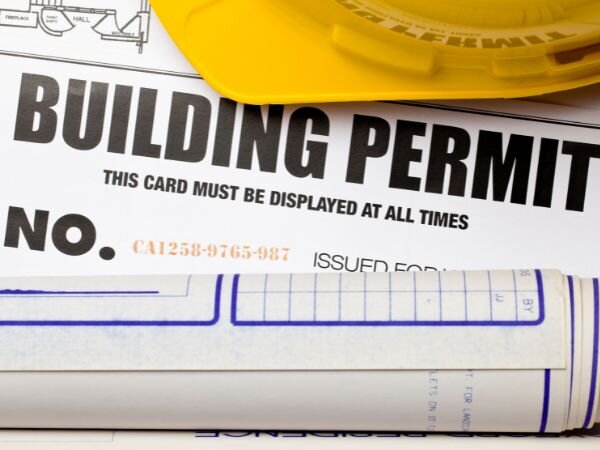
Texas has banned activities related to building permits. The building department makes sure that all construction and remodeling projects follow the rules for safety and building in the area. To stay legal and attract buyers who care about safety and follow the rules, get a building permit before you start building. It is against the law to work without a building permit. You could get in trouble with the law. In addition to following the law, you should also keep your property safe and in good shape. Buyers usually need proof that all work has been approved and certified by the right people when they buy a house. Without this proof, you might lose buyers and have bad money talks. For safety and compliance, all construction projects must follow building codes that cannot be changed. You might need permission later for things that are not allowed. It takes time to get a retroactive building permit, but it can make your home worth more. Get someone who knows Texas law and the rules of the building department. If you worked without permission, Texas real estate lawyers can check. Getting a building permit or fixing code violations can help you stay safe and save you money. If you fix these problems before the sale, you’ll sell better, avoid lawsuits, and get more buyers. Building permits protect your rights, make it easier to sell your home, and make sure you follow the rules.
How Unpermitted Work Impacts Your Home’s Value and Saleability
Your Texas home might not sell for as much if you work without a permit. It tells buyers about possible risks, which makes them less likely to pay and negotiate. You need to know how doing illegal work will affect your home legally and financially. It talks about how potential buyers might look at your finances and how fixing problems that aren’t legal could make your home worth more.
Assessing Financial Risks for Potential Buyers
Someone who is thinking about buying a house that was built illegally should think about the financial risks. If someone works on your property without your permission, they might not follow the rules for building. This could put you and the property in danger. People who want to buy are careful and might ask for a big price drop to pay for repairs they think will be needed. Adding things to your home without permission could make it less valuable and less appealing to buyers. How easy it is to sell your home depends on how much financial risk you take. Some lenders won’t give you money for a house that has work done without a permit, which limits the number of people who can buy it. You need to know how much repairs will cost before you buy something. So, you might need a construction permit for the work that’s already been done, a contractor to make the changes, and an inspection by the local building department to make sure everything is up to code. People who want to buy may not want to spend time and money on these fixes. If sellers do work that hasn’t been approved, they have to tell buyers how it will affect the value. Being honest helps you stay out of trouble with the law and make deals. Sellers can gain trust and keep the asking price by clearly stating what work is not allowed. Buyers who think there’s too much risk might be able to get a better deal. This could lower the price of the sale or make it harder to get a loan. Sellers may fix problems with the building that weren’t allowed before it was listed to get more buyers. Fixing these problems can help you sell the house faster and for more money by bringing in buyers who are willing to pay more.
Correcting Unpermitted Issues to Enhance Value
Cleaning up things that aren’t allowed is important for the value of your home and building codes. Look at all the work that isn’t allowed before fixing these problems. If homeowners know about unpermitted construction, they can fix problems and settle legal disputes. The first step in making something that is illegal legal is to call the building department in your area. Join this process to make sure that changes follow local building and safety codes. People may feel better about retroactive building permits, which make work that was once illegal legal. If you don’t fix problems, letting people work keeps the value of your home up. Sellers should make these changes early on because it shows they care about the rules for homes. The building is now safe and up to code after the illegal work was fixed. This makes it worth more and more attractive to buyers. These promises might make buyers think twice about a house that can’t be changed in the city. Before putting the house up for sale, sellers should fix these. That way, they can make sure it meets safety and legal standards. The seller will negotiate the sale because buyers can’t get their money back for illegal work. It takes time and money to fix things that shouldn’t have been fixed, but it makes the property easier to sell. Legalizing work and enforcing rules protects sellers’ investments and raises the value of their homes. The next part will talk about how letting potential buyers know about these steps builds trust and closes the real estate deal.
Transparent Disclosure of Unpermitted Work to Potential Buyers
Cleaning up things that aren’t allowed is important for the value of your home and building codes. Look at all the work that isn’t allowed before fixing these problems. If homeowners know about unpermitted construction, they can fix problems and settle legal disputes. The first step in making something that is illegal legal is to call the building department in your area. Join this process to make sure that changes follow local building and safety codes. People may feel better about retroactive building permits, which make work that was once illegal legal. If you don’t fix problems, letting people work keeps the value of your home up. Sellers should make these changes early on because it shows they care about the rules for homes. The building is now safe and up to code after the illegal work was fixed. This makes it worth more and more attractive to buyers. These promises might make buyers think twice about a house that can’t be changed in the city. Before putting the house up for sale, sellers should fix these. That way, they can make sure it meets safety and legal standards. The seller will negotiate the sale because buyers can’t get their money back for illegal work. It takes time and money to fix things that shouldn’t have been fixed, but it makes the property easier to sell. Legalizing work and enforcing rules protects sellers’ investments and raises the value of their homes. The next part will talk about how letting potential buyers know about these steps builds trust and closes the real estate deal.
What Information to Share About Your Property
Sellers must tell buyers about any work that is not allowed on their property. When selling a house, make a list of any changes that are not allowed. There are things like structure, electrical work, and renovations that don’t need building department approval. If you tell the buyer about work that isn’t allowed, they might change their mind and think the seller is less trustworthy. This statement should explain the work that was done without permission, how much was done, and what is being done to fix it, like making it legal or lowering the risk. Buyers should get records of the house’s history. This could be original building permits, occupancy certificates, or letters from the building department. People who want to buy are told what they can and can’t do. Clear, detailed disclosures help buyers understand the property’s legal status and how to fix problems. Texas buyers and sellers of real estate have a moral and legal duty to give full, accurate, and easy-to-find disclosures.
Letting potential buyers know about past talks with the building department or plans for building permits can help them feel better about the property, following the rules. The fact that the owner is willing to fix problems shows that they care about the property, which makes it more appealing even though it has problems. Giving the buyer all the information about the property helps them decide whether or not to buy it and how much to pay. This is a fair way to negotiate. Full disclosure protects your legal rights and makes your home more appealing to buyers, which gives you an edge in the market. In real estate, being honest is very important because problems that aren’t obvious can lead to fights and cost a lot.
Legal Obligations and Ethical Considerations

To show illegal work, you have to know what the law and morals say you should do. This is important for real estate deals. If you think your home might not be up to code, you need to let them know. You could be fined or lose a sale if you don’t report illegal work. This could make people angry and cost you a lot. Some people can help you deal with these problems and make sure you don’t miss anything. There is a connection between morality and the law. If you want to keep your morals, don’t tell people anything important about work that they don’t already know. To gain their trust, tell buyers everything about your sale, not just that it’s legal. Being honest with people helps them trust you and makes it easier to talk to them. Everyone in real estate wants to be honest, so this level of honesty is important. This point of view protects your morals and legal rights, so you won’t get into trouble after the sale.
You should know how illegal work affects buyers, to be honest. If the value of a home goes down, if the buyer has to fix or legalize work that wasn’t done properly, or if they have trouble getting a loan, they could lose money. You can make a better choice if you know what the legal and financial effects will be. Customers who are better prepared and informed are more likely to buy and have fewer problems. Everyone benefits from moral exchanges because they make deals go more smoothly and get better results. Adding moral and legal issues to your sales plan will help you do better and have fewer problems. That shows you’re honest, which will help you sell a Texas home that has been changed without permission. Responsibly sharing information helps buyers trust you and build a relationship with you. Long-term relationships and sales that are both legal and moral can happen.
Addressing Unpermitted Work Before or During the Sale
Before you sell your home, take down any work that isn’t allowed. This will help the sale go smoothly and get a good price. You should know what will happen if you work illegally or sell the house as-is. It is legal to fix these problems before they happen, and it will make your home more appealing to buyers. To stay out of trouble with the law and protect your real estate interests, get the right permits or fix any illegal work.
Options for Legalizing Unpermitted Work
You have to do a lot of things to make illegal work legal. Your home may be worth more and sell faster after you do these things. You can get a permit to build something that was not allowed before. Send the building department detailed plans to show that you are following the rules. These permits will make buyers feel better about buying your home, which will make the sale go more smoothly. It also shows that you care about the property’s quality and legality, which can draw in picky buyers. Get a builder or architect who knows the local codes to fix the work. They can help you make changes that follow the rules and get the building department’s approval faster. This costs money and time, but it makes the house worth more and more attractive to buyers. People who buy a home that has been fixed and checked out by a professional trust it.
People who own homes can ask the building department for permission to do things that are against the law. Talking to these people could help you find solutions to your problem that aren’t very common. Being proactive can also show potential buyers that you are honest and know a lot about business. This could make buyers more interested and speed up the sale. Before you sell your house, make sure that any illegal work is legal. This will help the sale go smoothly and keep you out of trouble. This investment in safety and peace of mind will help anyone who buys or sells a home. It can be hard to make work legal, but it gets a house ready to sell without breaking the law. Being open and honest makes it easier to sell real estate, and you can give legal buyers something special.
Should You Fix It, Permit It, or Sell As-Is?

The way you fix up the house, get permits, or sell it as-is will affect how well it works. Think about the good and bad points of each choice. To fix the work that isn’t allowed, you need to make sure that it is safe, structurally sound, and follows building codes. This will make buyers feel better about the house being safe and legal. It’s good for buyers when permit problems are fixed, so they don’t have to deal with them again. You have to pay for this plan up front, but it can make the house more valuable and attractive to buyers. Having legal proof that a property follows building permits for things that are not allowed can make it worth more. Permits after the work is done show that it passed inspections, which is good for both buyers and sellers. The process might take a while, especially if changes need to be made, but it makes the house easier to sell and meets the law. Permits show buyers that a house meets the building department’s standards.
If the seller sells the house as-is, they might not have to make it legal or fix it. This option might lower demand because a lot of people don’t want to buy homes that don’t follow the rules. People who want to buy “as is” try to get a lower offer because they know it will cost a lot to fix the illegal work. You might have to change the price when you sell “as-is” if buyers are worried about legal problems or following the rules. Your budget, how long you have to sell, and what local buyers expect will all affect your choice. You must tell the buyer about any illegal work and explain the terms if you want to sell something as-is. No matter what you decide, being honest lowers the chance of having legal problems after the sale. Get personalized help from a real estate lawyer or expert on how to make this tough choice and what to do in your situation. It is okay to fix, rent, or sell bad work. It shows that you care about everyone.
Preparing to Sell: Steps to Take Before Listing
Do a lot of work to get rid of illegal work before you sell your house. Find any home improvements that weren’t approved and learn how they will affect the sale of your home. Look for code violations on your property. Records of permits can help you figure out if the work that is not allowed needs to be fixed. These steps make it easier to sell and keep you safe from criminals. They make sure everything is done correctly and make your home look better to get buyers interested.
How to Identify Unpermitted Work in Your House
You need to do a lot of work on your house before you can sell it. Check your home for obvious changes or renovations that don’t fit the original structure before you do anything else. You don’t need a building permit to add rooms, change the plumbing, or change the wiring. It’s easy to spot them because their buildings or architecture don’t match. These can show what isn’t legally recorded. This is very important in Texas, where building codes are strict. To avoid legal problems when selling a house, you need to know these things.
To find out about illegal work, don’t just look at the property; talk to people who used to own it or read about its history. Talk to your neighbors and see if they’ve seen or heard of any illegal building. This method of checking your property can help you find problems that aren’t obvious and show you how well it meets the rules. This step is meant to help you prepare for problems and give you information before more inspections or court hearings. Keep in mind that knowing everything about your home will help you sell it. Another way to find it is to check work that is not allowed. These people have the training and experience to find illegal changes to your home that you might not see during your inspection. Professional inspections show that the plumbing, electricity, and structure of the building don’t meet codes. The inspector can show you illegal work and give you ideas on how to fix it. Showing that you care about the property through inspection results can help you avoid legal problems and gain the trust of buyers.
Once you find it, you have to choose between fixing the illegal work or selling the house. There are good and bad things about each choice that affect the value of the house. This is how to keep buyers’ trust during sales. Real estate ethics say that full disclosure stops claims after the sale and makes closing easier. Homeowners need to quickly find unlicensed work to fix these problems. They look better in court and make people feel more confident in the market.
Checking Permit Records for Unpermitted Home Improvements
Checking permit records is an essential step in identifying unpermitted home improvements before listing your house for sale. Begin Look at the permit records for your home before you sell it to see if any changes are not allowed. The building department in your area can give you the historical permit records for your property. These records list all the work that is allowed and any repairs or buildings that are not. People who own homes can look at these records to see if their property follows local rules or needs more approvals.
It can be hard to find records, but knowing how can help. First, figure out which parts of your house don’t need permits. Not when you’re adding a bathroom, remodeling the kitchen, or making more room in your home. Next, look at the permits that are available. A comparison shows differences and things that are not allowed to be added. This lets owners know about problems. You might have trouble finding these records, so ask your local building department. Many departments can help you with permit research in person or online.
Check to make sure that every part of the house follows the rules after you have all the permit records. Without enough or clear paperwork, work may have been done without permission. Need help getting all the building permits? Talk to a Texas contractor or real estate lawyer. They can tell you how to fill in the blanks or get permits to make illegal changes that are already in place. Fixing these problems before you sell your house might help buyers understand and like it.
Knowing what could happen if you do your job without a permit might keep people from watching. Being honest about mistakes on paperwork and permits builds trust and lowers the risk of getting sued. Before you sell your house, talk to your building department. They will make sure that it is properly advertised and follows all state laws. This proactive step makes your property seem more real, which calms buyers and makes negotiations easier. In the end, records of permits can help you sell your house faster and for more money. You can do some good things with work that isn’t allowed:
- To make sure everything is safe and legal, have a licensed contractor check and fix any changes that weren’t approved.
- Talk to your city’s building department about getting permits for work that hasn’t been approved.
- Get a third party to check the renovation for safety and code violations.
- Take out or change work that is hard to code to lower the costs of future claims.
- Write down all repairs, improvements, and messages so you can look them over and share them. This can make your home more attractive and legal, which will bring in buyers who know what they’re doing.
If you’re selling a Texas house that needs work that isn’t allowed, be honest and plan. Let potential buyers know about any changes that weren’t approved, get permits when you can, and know what the law says you have to do. This will make your home better and make sure you follow the rules. People who have been trained can help you find the best answers to your problems. To make it easier for you and potential buyers to sell your home, take charge, write down everything, and be honest. Many homeowners choose to work directly with JDub Buys Houses when they want a simple, straightforward home-selling experience. Contact us for more details.
What are the legal implications of selling a house with unpermitted work in Texas?
If the construction breaks building codes, it may be against the law to sell the Texas house. If you don’t deal with these problems, you could get in trouble with the law or lose money. Learn the rules and report illegal work to stay out of trouble.
How can homeowners address unpermitted work in their Texas home?
Homeowners can get permits for problems that have already happened, fix them so that they meet local codes, or sell the house as is and tell the buyer about the problems. This can be helped by lawyers or contractors who know the laws in the area.
Is it necessary to disclose unpermitted work to potential buyers?
Telling people about work that is not allowed cuts down on lawsuits and builds trust. If you tell buyers about changes that aren’t allowed, they can make smart choices and avoid fights.
How can unpermitted work affect a home’s marketability in Texas?
Illegal work makes a building less safe, more dangerous, and more likely to break the law, which lowers its value. Fix these problems before putting the house up for sale to make it more appealing, draw in buyers, and raise its value
What steps should a homeowner take before listing a property with unpermitted work for sale?
Homeowners should look for changes that weren’t approved and mistakes in permits before selling their home. They should also think about solutions and talk to lawyers to make sure they are legal.
Helpful Texas Blog Articles
- How to Sell a House in Probate in Texas
- Paperwork for Selling a House by Owner in Texas
- How Long After an Appraisal Can You Close in Texas?
- Sell a House As Is Without Inspection in Texas
- Who Pays Closing Costs When Selling a House in Texas?
- How to Sell a Hoarder House in Texas
- Selling a House with Mold in Texas
- Can you sell a House in Texas with a Tax Lien on it?
- Selling a House with Unpermitted Work in Texas
- Can I Sell My House for Less than Appraised Value in Texas?