

Selling a house in Texas with a squatter might be difficult because you must know their rights. You must know how to legally remove trespassers and how this may affect your home sale. This article explains the eviction process and how to make the transition from squatter-occupied to market-ready as easy as possible for house sellers. You can repair these issues and maximize your Texas real estate if you know how.
Brief Overview
You must understand squatters’ rights and adverse possession limits to sell a Texas residence with a squatter. Homeowners must distinguish between squatters, trespassers, and holdover tenants and know how to evict them, which is difficult. Squatters may lower your property’s value, so you need to plan for the sale and consult lawyers and real estate agents. Knowing these facts and acting quickly can assist Texas property owners in protecting their rights and streamlining the sale.
Key Highlights
- To sell a house with squatters, you must know Texas squatters’ rights.
- Adverse possession may be available to squatters who don’t pay rent for ten years.
- You must find and expel squatters by law.
- Squatters devalue property, so acting soon can save lengthy court battles.
- Consult lawyers to remove trespassers and preserve your rights.
Understanding the Presence of Texas Squatters
You must understand the legal and practical concerns squatters cause in Texas to remove them. Squatters, trespassers, and current renters must be distinguished by property owners. Knowing this can help you make smarter judgments and take better care of your property, especially if you’re selling a residence someone is living in without permission. Knowing the difference between a squatter and a trespasser or holdover renter helps property owners avoid legal complications.
How to Identify Texas Squatters in Your Property
It takes more than seeing squatters on your property to find them. In Texas, squatters can claim title if they keep a property publicly, notoriously, and long-term. You must verify that the occupant is a squatter if you own the residence or rental. A Texas squatter may not have the same rights as a tenant who lives on the land without authorization, improves or maintains it, or uses it openly. If someone is residing in your house or property, paying bills without your permission, or collecting mail, a squatter may have moved in. Regular home inspections using good property management procedures may help you spot squatters. Knowing if these unlawful tenants have sought property rights could make it harder to evict them. Texas laws can assist you in defending your homeowner rights if you have squatters in your home. To avoid damaging your property’s worth, get legal advice to resolve the situation quickly and properly.
Squatter vs. Trespasser vs. Holdover Tenant
To handle undesirable tenants, you must distinguish between squatters, trespassers, and holdovers. A squatter occupies another’s property without permission. If no one challenges them in Texas, adverse possession may provide them with rights. A trespasser is someone who enters property without permission and cannot possess it. Deal with them immediately to avoid legal issues. Holdover renters stay at the property after their lease ends without the landlord’s permission. That makes it hard to say they live there unlawfully. Getting the right legal remedy is straightforward when these ideas are clearly different. If squatters have lived there for a while, eviction may take time. However, calling the police makes dealing with trespassers easier. To legally reclaim the rental property, landlords may need to evict tenants. Texan homeowners and landlords must be aware of these developments to evict the property and return it to its rightful owner as smoothly as possible.
Legal Implications of Having a Squatter in Your House
Texas squatters are difficult to remove because it’s impossible to tell who is living there without permission, and it could have serious legal consequences. Homeowners who want to manage or sell their properties must understand and manage these repercussions. This section discusses how squatters lower property values and the Texas adverse possession rules for homeowners. If someone is living in their house without permission, homeowners can make better decisions if they know these factors.
Negative Effects on Your Property Value
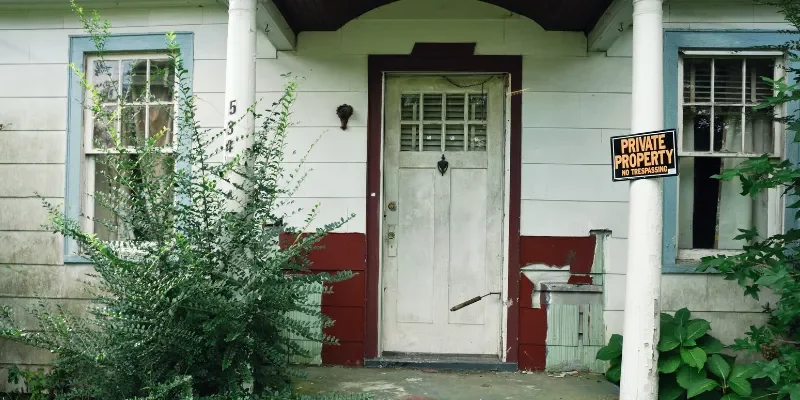
When a squatter occupies a property, it’s not just an issue of unlawful residency; there are profound negative effects on the property’s value. First, the mere presence of squatters can deter potential buyers, as the fear of legal battles and long eviction processes might make the property less attractive. This is crucial for those in the process of selling their house since buyers tend to avoid properties entangled in legal disputes. Real estate in areas affected by squatters often sees a decline in interest, prompting lower offers than anticipated, significantly impacting the return on investment for the homeowner.
Additionally, an unauthorized occupant may not maintain the property to the standard expected by a rightful homeowner or tenant. This neglect can lead to deterioration in the home’s condition, further depreciating its value. For homeowners, this could mean investing additional funds to restore the house to its former condition before it can be placed back on the market. Furthermore, the legal rights of these squatters sometimes complicate evictions, prolonging their impact and exacerbating the damage both physically and financially.
Property management experts often highlight that homes occupied by squatters need comprehensive inspections and sometimes major refurbishments, driving up costs before a property can become tenable again. Texas homeowners must navigate these challenges by understanding both the legal and tangible impacts of having a squatter. It becomes essential to strategize effectively, perhaps by enlisting professional help early on, to preserve their property’s value and mitigate any potential long-term consequences.
Squatter’s Rights Through Adverse Possession
Texas squatter’s rights are deeply rooted in the legal concept of adverse possession. This principle allows an individual occupying adverse possession under Texas squatter’s rights. If certain circumstances are met, a resident on another’s land can claim ownership. Texas squatters must own the home for ten years without permission. Without knowing about the squatter or taking action, a homeowner could lose legal title through a possession claim.
Property owners must understand adverse occupation to understand squatter claims. The owner must know about the squatter’s presence by law. A squatter who claims ownership of your home may pay taxes, make changes, or provide proof. This suggests they want it legally. This isn’t just about assuming ownership; you must also demonstrate that you’ll handle it like a legitimate owner.
Homeowners must rapidly identify adverse possession claims. Good property management and regular home checks can help you find trespassers before they meet adverse possession requirements. Start the legal process before squatters have these rights to make removal easier. Texas homeowners need legal advice quickly to understand their rights and responsibilities. It will assist them in avoiding the problems of a squatter taking over their land. You must be aware of the situation and act quickly to reclaim your property under Texas law. Avoiding or Handling Adverse Possession Claims:
- Regularly check your property for unauthorized occupants.
- Install security cameras to monitor and record crime.
- Secure empty houses with locks and fences.
- Post “no trespassing” signs to dissuade squatting.
- Check property documentation and tax payments.
- Know your neighbors to assist them in reporting suspicious behavior.
- Call a lawyer immediately if you see someone residing on your property without permission.
- Record property borders and shared usage rights or easements clearly and accurately.
- Regularly verify property lines with neighbors to avoid fights.
- Remove any trespassing or unauthorized usage of the land immediately to prove ownership.
- If you own property but don’t live there, consider hiring a property management company.
Doing these items together helps homeowners maintain their property rights.
Steps to Take Before You Sell
Texas houses can be difficult to sell if tenants aren’t paying rent. Take the proper actions to ensure a successful deal. This involves suing squatters and preparing your home for sale. Consult with real estate and legal specialists throughout this complex process to protect your investment and maximize your property sale. Being prepared makes selling a house with a squatter easier. This means ensuring your needs comply with Texas law.
How To Contact Authorities for Assistance
If you find someone squatting on your property, call the police. Calling the police can assist you in identifying a squatter versus a trespasser or a tenant who hasn’t left. If a squatter stays on your property for too long, it may be harder to remove them. First, notify your local police about the squatter. This step is more than just following the law; it creates a record that could be used in court to remove squatters. Texas real estate experts should be consulted before calling the police. If you follow their instructions, they may be able to help you with squatters. Lawyers can explain how to serve notifications and what documentation you need to start evictions legally. Squatters have rights under Texas law; you must do everything legally to avoid being sued when you sell.
Speak clearly and write down whatever you say to the cops. Honesty shows your commitment to legally reclaiming your property. Using lawyers and real estate professionals can help you deal with squatters and protect your property rights. Contacting the police improves your case and ensures you obey Texas’s complex squatters’ laws, which is crucial when selling your home in Texas.
Preparing Your Property for Sale Amidst Squatters
Selling a house with squatters involves planning and strategy. If a squatter is involved, learn about the real estate market and create reasonable goals. A house with an unlawful occupant may deter purchasers; it’s important to show a home without liens. First, inspect your property. Without squatters’ care, it could deteriorate and lose value. Property managers can aid by inspecting the property and identifying repairs needed before selling. This involves making improvements to your property to make it look and work better for purchasers. Property maintenance may help you retain some of the value squatters take.
When planning to sell your property, imagine how it could be. Real estate brokers who have dealt with comparable issues may be able to help you market to buyers who are willing to deal. Lawyers can help you ensure that the paperwork proves the property meets legal and regulatory sale requirements. This will reassure buyers about the deal. Selling a house with squatters requires property management, legality, and marketing. Prepare to invest time and money to make your property seem good. This builds buyer trust. This care helps you sell your home in Dallas and protects your property rights and money.
The Eviction Process and Its Challenges
Squatters are hard to remove in Texas due to the law. Selling your property while evicted requires knowledge of the procedure and its pitfalls. To evict someone in Texas, you must know the legal steps and how long they have been a squatter. Understanding these items may help property owners maintain, avoid problems, and secure their investments. Homeowners dealing with difficult property situations sometimes choose to work with experienced buyers like JDub Buys Houses, which buys houses in Texas regardless of occupancy issues. Contact us and explore the next steps.
Overview of the Eviction Process in Texas
Texas homeowners must follow the law while evicting squatters. First, identify the occupant and determine their legal status. The owner may need to provide formal notice to vacate and file an eviction lawsuit if the person refuses to leave. The court will hear both sides before deciding whether to issue an order for possession. If you’re also dealing with a property ownership dispute, you may wonder, “How long does it take to force the sale of property?” The timeline depends on the circumstances, including whether the co-owners agree to sell, the complexity of the legal dispute, and the court’s schedule. Consulting a Texas real estate attorney can help you understand the legal process and potential timeline for your situation.
If the court sides with the owner, the squatter must leave. If the squatter won’t leave, the police can get a writ of possession to forcibly remove them. The Texas property and eviction rules must be followed precisely during this process. If you don’t, legal issues could delay eviction. Hiring property management specialists speeds up the process and meets regulatory criteria. Squatters’ leaving will make selling the property easier.
How Long Before Someone is Considered a Squatter in Texas?

Squatters in Texas can only be identified if they are publicly exploiting the land. However, a squatter occupies a property without authority for a long time. The 10-year statutory period matters most. The squatter must be on the property 24/7. The squatter may sue under adverse possession laws if the owner doesn’t act quickly to protect their rights or maintain their property. Property owners must recognize this time frame to avoid giving squatters extra legal rights. Regularly inspecting the property and residents can prevent issues. An illegal person paying bills or receiving mail at a property may indicate a squatter is claiming it. Property managers can maintain ownership rights before this ten-year tenure by keeping good records and starting the eviction procedure immediately.
It’s important to distinguish between legal and typical renter evictions. Texas has rules for removing illegal residents. Following these steps is necessary. If the squatter can prove they have lived on the land for ten years and meet other legal requirements, like making alterations to the property or acting hostilely, the legal process can take a long time and cost a lot of money. So, homeowners should contact Texas property law lawyers to quickly resolve squatter issues before they become possession claims. This proactive approach protects the property’s legal standing and prepares it for sale.
You must understand squatters’ rights and act properly to sell a Texas residence with a squatter. It may be beneficial to consult Texas property law experts. Being honest and direct with everyone will help resolve misconceptions and speed up the process. If they take action, property owners may be able to overcome these difficulties and sell. This will ease the transfer and preserve their investment. If you need help, download our full guide or contact us.
What steps are involved in evicting squatters in Texas?
Texas eviction begins with finding the squatter, issuing them a legal notice to leave, and possibly suing them if they don’t. A hearing may result in a court order to leave. Lawyers can assist you in following Texas law.
How does the presence of squatters affect property sales in Texas?
Squatters can devalue a property by discouraging buyers who fear legal complications. Unauthorized occupants require additional legal and property management work to prepare a house for sale.
What distinguishes squatters from trespassers and holdover tenants in Texas?
Adverse possession laws may allow squatters to claim rights. Trespassers and post-lease occupants enter without authority. Each group has its own legal system.
How can property owners in Texas safeguard their rights against squatters?
Regularly check on your home, keep careful records, and get legal support if you find squatters. Knowing Texas rules and acting quickly can stop adverse possession claims and safeguard your ownership rights.
What are the implications of adverse possession laws for squatters in Texas?
Squatters can claim title by adverse possession after ten years without permission. Owners should quickly evict unauthorized tenants and seek legal advice to prevent these charges.
Helpful Texas Blog Articles
- Can you sell a House in Texas with a Tax Lien on it?
- Can I Sell My House for Less than Appraised Value in Texas?
- What Taxes Do You Pay When Selling a House in Texas?
- How to Sell a House with a Squatter in Texas
- Can You Sell Your House With A Quitclaim Deed In Texas
- Are Open Houses Still Effective For Selling Your Texas Home
- FSBO Costs And Fees For Texas Home Sellers
- How to Avoid Closing Costs in Texas
- How to Sell a Fire-Damaged House in Texas
- How to Sell a Fixer-Upper House in Texas
- How to Sell a House When You are Behind on Payments in Texas
- How Long Does It Take to Force the Sale of Property in Texas
- Selling Home With Reverse Mortgage Loan
- How Long Does a Real Estate Contract Last in Texas