![Selling My House With Asbestos In [market_city]](https://image-cdn.carrot.com/eyJidWNrZXQiOiJwcm9kdWN0aW9uLmNhcnJvdC11cGxvYWRzLm9uY2Fycm90LmNvbSIsImtleSI6InVwbG9hZHMvc2l0ZXMvODA1MTIvMjAyNi8wNC9TZWxsaW5nLU15LUhvdXNlLVdpdGgtQXNiZXN0b3MucG5nIiwiZWRpdHMiOnsicmVzaXplIjp7IndpZHRoIjoxMTUyfSwidG9Gb3JtYXQiOiJ3ZWJwIiwid2VicCI6eyJxdWFsaXR5Ijo3MH19fQ==)


You’re standing in your kitchen, staring at those vintage floor tiles that came with your 1967 ranch in Plano. Yesterday, your contractor mentioned they might contain asbestos. Today, you’re wondering if you can still sell your house without going broke on remediation costs.
I’ve been buying houses across Texas for over a decade, and I’ll tell you straight up: selling a house with asbestos isn’t the end of the world. It happens more often than you’d think, especially here in the Lone Star State, where so many homes were built during the asbestos boom years. But there are rules you need to follow, and smart strategies that can save you thousands.
Can You Sell a House with Asbestos in Texas: Complete Legal Guide
In Texas, it is legal to sell a house that contains asbestos, but it is illegal to hide or actively conceal its presence. The core requirement under Texas asbestos disclosure laws is honesty: buyers must be informed about any known asbestos so they can make an informed decision. There is no requirement to remove asbestos before selling a home, as long as proper disclosure is made.
Neither federal law nor Texas law requires a homeowner to remediate asbestos before a sale. The legal obligation is disclosure, not abatement. In practice, this means a sale can proceed even if asbestos is present, provided the buyer is made aware and agrees to proceed with the transaction. This is especially relevant in transactions involving cash home buyers in Texas, who often purchase properties in as-is condition, including homes with environmental concerns, as long as disclosure requirements are met.
Texas also has seller-friendly disclosure laws. Since homeowners are only required to disclose issues that are within their knowledge. Homeowners are not obligated to conduct any testing or investigative work to identify potential underlying problems. They only have to comply with the standards for known issues, not for thorough inspections.
In these dealings, the TREC Seller’s Disclosure Notice is the most important document. Sellers must complete this form accurately and in full. This form even covers issues such as asbestos and other environmental hazards. Disclosing known issues can lead to numerous legal issues, such as being sued for defrauding the buyer and/or being held financially responsible for remediation the buyer had to undertake as a result of the seller’s negligence.
Common Locations of Asbestos in Texas Homes Built Before 1980
Walk through older neighborhoods in Houston, San Antonio, or Fort Worth, and many of the homes you see likely still contain asbestos somewhere in their structure. Before its health risks were widely known, asbestos was used extensively in building materials, especially during Texas’s mid-20th-century construction boom. Homes built before 1980 are the most likely to include it in multiple hidden places.
In Texas homes, asbestos is commonly found in 9-by-9 vinyl floor tiles and the adhesive beneath them, especially in houses from the 1960s and 70s. It’s also found in popcorn ceilings in pre-1980 construction, in insulation around pipes and boilers, and in attics, sometimes in vermiculite that resembles small pebbles. Roofing and siding materials were another major use, with asbestos cement products chosen for their durability in Texas weather.
Asbestos may also be included in HVAC duct insulation and pipe wrapping in houses that were built during the 1950s and 60s construction boom. The most important safety factor is whether a material is friable or non-friable. Friable asbestos is able to be crumbled and will release fibers into the air. Non-friable materials, such as intact floor tiles, are much more stable and are unlikely to release fibers unless disturbed during a renovation or damaged.
Professional Asbestos Inspection Process for Texas Homeowners
Before you panic about possible asbestos, it’s important to remember that professional confirmation is what actually matters. You only need to disclose what you personally know, so if you have no reason to believe asbestos is present, you’re not required to hire an inspector just to be certain before submitting a form. If there’s still uncertainty, you can always seek clarification from the relevant authority later.
If you do suspect asbestos, especially in older homes or before renovations, the process in Texas is fairly straightforward. A certified inspector (accredited by the EPA or the Texas Department of State Health Services) conducts a visual inspection, collects small samples of suspected materials in accordance with safety procedures, and sends them to an accredited laboratory for microscopic analysis. This process usually costs about $250 to $800 and takes 3 to 7 days for results.
You will receive a report after testing that includes materials containing asbestos, the condition of the materials, and next steps, which may include management or removal. Typically, it’s best to use an independent inspector who is not affiliated with a removal company to avoid conflicts of interest. As for a full inspection, a standard house can cost anywhere from $400 to $600, which is a relatively small price for the risk of hidden asbestos in a building.
Asbestos Testing Requirements Before Selling Your Texas Home
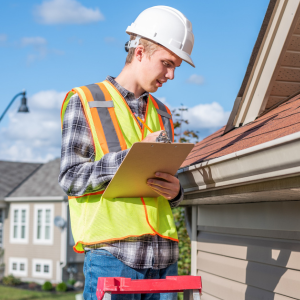
Texas doesn’t require sellers to test for asbestos before selling a home, but it does require disclosure of any known presence. If a buyer requests testing during due diligence, the seller can choose whether to accommodate or negotiate, but there’s no blanket legal obligation to test. This means any asbestos investigation is typically driven by the buyer’s inspections rather than mandated pre-sale requirements.
In practice, testing becomes important in a few common situations. Many sellers choose pre-listing testing for older homes (especially pre-1980) to avoid surprises and set pricing with full information. During the buyer’s 7–10-day option period, buyers often request inspections, including asbestos testing, and sellers may need to decide whether to allow them or risk losing the sale. Testing is also typically required before any renovation work that disturbs materials in older homes, and insurance companies may request it for coverage on certain properties.
Having testing done means that any positive result creates ‘actual knowledge’ that must be disclosed in future transactions. Some sellers evade testing to minimize disclosure. However, a buyer’s inspection could reveal the issue, and that strategy could backfire. In many tests, sellers gain confidence in negotiations, and both sides’ uncertainty is reduced.
JDub Buys Houses provides a cash offer that gives sellers a fast, certain sale without delays or renegotiations tied to inspections like asbestos testing. Since Texas only requires disclosure of known issues, not testing, our company helps sellers avoid uncertainty and close quickly, even on older homes.
Timeline and Costs for Professional Asbestos Abatement Services
Removing asbestos is a time-consuming process that results in more incurred costs. For Texas, small jobs under 100 square feet, and are 1-2 days in duration, such as removing tiles in a single room or a small section of pipe, will cost around $800-$2,500. Medium jobs, between 100 and 500 square feet, for popcorn ceiling and flooring removal across multiple rooms, will take 2-5 days and cost $2,500-$8,000. Large jobs, more than 500 square feet, such as an entire home remediation including removal of exterior siding, take 1-2 weeks and cost $8,000-$25,000+.
Every job has three main phases: pre-work, removal, and post-work. For pre-work, which typically takes 1 to 2 days, permits, notifications, and containment are set up, along with any site prep. The removal phase can, depending on the location and quantity of the asbestos, also take a varied amount of time. Post-work can take another 1 to 2 days as they air-test, inspect, clean, and dispose of their work.
Labor accounts for the majority of total costs, often 80% to 95%, with Houston homeowners paying roughly $2,700 to $3,200 in labor alone due to the intensive process. Costs and timelines increase with difficult access, such as attics or crawl spaces, widespread contamination, complex home layouts, and stricter local regulations. If you’re dealing with a house with water in the crawl space, moisture can add another layer of concern by contributing to mold, wood damage, and other costly repairs. Seasonal conditions also matter in Texas, with summer heat slowing work and raising costs, while spring and fall are generally the most efficient and affordable times to complete a project.
Documentation Requirements for Asbestos Testing and Remediation
When it comes to asbestos sales, documentation is more than just helpful; it legally protects you and helps move the sales process along. In Texas, buyers want to see the full paper trail on any testing and remediation. If the paper trail is missing, it can raise red flags and even halt a sale. Proper documentation shows that the issue was addressed appropriately and that it meets state regulations.
A complete file should include both testing and remediation records. That means original lab reports with chain of custody, inspector certifications, photos of sampling locations, and site maps for testing. Buyers will look for remediation contractors’ licenses, state-required notifications, permits, photos documenting containment and work, air monitoring results, disposal manifests, final clearance testing, and manifests showing proper disposal of waste. The goal is to make every step traceable and verifiable.
The safest approach is to create a single organized asbestos file that includes everything, reports, permits, estimates, photos, and warranties, and keep both digital and physical copies. I have seen transactions delayed or made more expensive simply because paperwork was missing. For example, one Irving seller who could not produce proof of a 2018 removal had to pay to reconstruct documentation and lost weeks in the process. Keeping everything backed up in cloud storage and readily available to your agent avoids that kind of problem and ensures buyers can review the full history without hesitation.
Texas Real Estate Disclosure Laws for Asbestos-containing Properties
Texas disclosure laws are generally more seller-friendly than those in many states, but they remain strict about what counts as “knowledge.” Sellers are required to disclose asbestos when they are aware of it, since undisclosed hazardous materials can cause serious harm to buyers. This balance is intended to protect buyers without overburdening sellers. A company that buys houses in Amarillo and other cities in Texas would still operate within the same disclosure framework when purchasing residential properties.
The key legal standard is actual knowledge, what the seller genuinely knows at the time of sale. This can include prior testing, contractor statements, or visible signs of asbestos-containing materials. The obligation is based on “belief and knowledge,” not on the discovery of unknown defects. This means intent and awareness are central to liability.
Constructive knowledge and suspicious circumstances may also be considered by courts. The seller’s prior reports or asbestos documents constitute the seller’s knowledge or constructive knowledge. Texas does not impose a duty to investigate prior to selling, as well as to sell a fire-damaged house, which carries its own disclosure obligations that sellers should be aware of. Liability may also arise from obvious signs of deterioration in older homes. An example is a 1950s-60s home that has deteriorated pipe insulation or aged building materials.
Under Texas Property Code Section 5.008, most residential sales require a Seller’s Disclosure Notice that includes asbestos disclosure with specific details. Sellers must go beyond a simple yes/no and describe the location, condition, and any remediation. Being vague can create legal risk; it is better to be precise, for example, noting the likely presence of asbestos-containing 9×9 floor tiles in a 1967 home and whether any testing or remediation has been done.
Understanding Texas Property Disclosure Statement Obligations

The TREC Seller’s Disclosure form is a key legal protection for Texas home sellers, but it only works if it’s completed accurately and on time. Under Section 5.008 of the Texas Property Code, most residential sellers must provide this disclosure before the purchase contract becomes effective. In practical terms, the buyer must receive it “on or before the effective date,” meaning it cannot be delayed until after the agreement becomes binding. If the form is not delivered properly, the buyer may even have the right to terminate the contract within seven days of receiving it.
The form itself is quite specific regarding its requests for full disclosure around issues. Section 6 concerns repairs/conditions requiring attention, as well as any known damage or deterioration of asbestos-containing materials. Section 7, regarding environmental hazards, requires sellers to be specific and state whether asbestos, lead paint, or other hazardous substances are present. For asbestos, sellers are instructed to respond yes, and are required to provide a specific, non-vague answer regarding its location and condition.
Explanation is more important than box-checking. Disclosures can be too general, creating liability for a seller, but detailed descriptions can help protect the seller. For instance, good disclosure would be “9×9 kitchen tiles likely contain asbestos but are in good condition” or “popcorn ceilings are original to the 1960s build and are untested.” For a Richardson home built in 1963, a seller’s disclosure describing likely asbestos in the flooring, untested ceilings, and potential duct insulation provided protection for the seller as it was honest, specific, and didn’t guess about unknowns.
How Asbestos Affects Property Values in the Texas Real Estate Market
Let’s talk numbers in a practical way: asbestos does affect property value, but usually not as dramatically as many sellers expect. The impact depends on how serious the issue is, the local market, and how transparently it’s disclosed. In most cases, the price adjustment is tied to estimated remediation costs plus a buyer’s “risk discount,” which typically ranges from 5–20% of a home’s unencumbered value, depending on the severity of the issue.
In the case of lightly impacted homes, the reduction of asbestos risk is 3-8% for asbestos that is declared but remains undisturbed, while for the more serious situations, in particular where there is damaged and/or friable material, discounts increase to 10-15% or even more for buyers, considering the safety risks and the costs of cleanup, such exposed materials. For asbestos professionally remedied with supporting documentation, the impact is usually negligible, and in the 0-3% range. Also, market conditions play a major role. In a stronger seller’s market, buyers overlook concerns, whereas in a moderate, balanced, or slower market, buyers’ negotiation aggressiveness increases.
For example, in late 2024, the median home price in Texas was about $340,000, and I saw a 1960s house with asbestos floor tiles sell for about a 4–5% discount after the seller made full disclosure and provided some asbestos abatement estimates. The buyers chose a less expensive encapsulation method and went on without a problem. The asbestos factor definitely influenced the price the most, along with transparency, documentation, market timing, and the material itself.
Negotiating Sale Price Reductions Due to Asbestos Presence
Smart negotiation can significantly reduce asbestos-related price concessions if the focus shifts from defending the issue to framing clear, practical solutions. The most effective approach is pre-emptive pricing: if asbestos is known, the asking price should already reflect expected remediation costs rather than being set at full market value in the hope buyers will overlook it. Buyers typically don’t ignore known risks; they adjust their offers, so controlling the narrative early helps prevent sharper price reductions later.
A strong strategy begins before the listing goes live. Getting multiple professional remediation quotes, ideally three, provides credibility and transparency, showing buyers that the situation has been properly evaluated. Including both removal and encapsulation estimates gives flexibility, since different buyers may prefer different solutions. Instead of treating asbestos as a hidden drawback, it can be positioned in the marketing as a managed issue, such as noting that the seller has obtained professional quotes and is offering a credit toward the buyer’s preferred remediation approach.
This approach works best when paired with flexibility at closing. Some buyers prefer a credit so they can control remediation themselves, while others want the work completed before purchase; offering both options, properly priced, keeps more buyers in play. For example, in one McKinney sale involving a 1958 home with extensive asbestos, the sellers secured multiple quotes ($15,000 for removal and $6,000 for encapsulation), priced the home slightly below comparable sales, and offered an $8,000 credit for remediation.
Contact us today to receive a fast, fair cash offer for your property. We address any asbestos or remediation concerns upfront, ensuring transparent pricing and fewer deductions at closing. Sell with confidence and flexible options tailored to your situation.
Financing Challenges for Homes with Known Asbestos Problems

Asbestos can complicate home financing, but it doesn’t necessarily stop a sale. The impact depends on the loan type, the condition of the material, and how well it is disclosed. Understanding these rules helps sellers and agents position the property toward the right kind of buyer from the start.
Conventional loans are usually the most flexible. As long as asbestos is properly disclosed and not considered an immediate health hazard, lenders will often move forward. They may request extra inspections or documentation, but in many cases, the loan can still be approved without major issues.
FHA and VA loans are more cautious. FHA appraisers must report any visible asbestos-containing materials, and if those materials are damaged or deteriorating, remediation may be required before closing. VA loans follow similar standards, though they can sometimes be slightly more flexible when the risk is low and the condition is stable. USDA rural loans generally align with these guidelines, but may include additional environmental review depending on the property location.
Cash buyers and investors tend to be the most straightforward option for asbestos properties since financing restrictions don’t apply in the same way. Sellers benefit from transparency in listings and from encouraging buyers to check with their lender early. In practice, well-documented properties with stable asbestos often close without issue, while deteriorating materials may require remediation to keep the transactions on track.
Alternative Selling Strategies for Asbestos-affected Texas Properties
Traditional listing methods aren’t always the best route when selling a property with asbestos. Instead, alternative strategies can help attract buyers who are already comfortable with the risks or willing to manage remediation. Options like auctions, lease arrangements, and investor sales often create faster, more flexible pathways than a conventional retail listing.
Auction sales can be particularly effective because all buyers are informed of the asbestos issue upfront. This transparency encourages competitive bidding among investors and cash buyers who factor remediation into their numbers. In many cases, this competition can still produce stronger-than-expected offers, especially when the property is in a desirable location.
Other approaches focus on flexibility and financing. Lease-option agreements allow buyers to move in right away while they secure long-term financing and plan for remediation. Owner financing can also expand the buyer pool by bypassing strict lender requirements, while wholesale transactions provide a quick exit by selling at a discount to investors who will handle repairs and resell later.
In one example from Garland, a 1960s ranch with asbestos sat unsold for months under a traditional listing. After shifting to an investor-focused strategy with a reduced price, detailed remediation estimates, and a fast closing timeline, multiple offers came in within a week. The property ultimately sold quickly for cash, demonstrating how aligning strategy with priorities such as speed, certainty, or price can make a difficult property marketable.
Legal Consequences of Failing to Disclose Known Asbestos Issues
Failing to disclose asbestos can lead to serious and lasting consequences under Texas law. Buyers have multiple legal avenues to recover damages when sellers conceal known environmental hazards, and courts tend to take such omissions seriously. What might seem like a small oversight can quickly escalate into a costly legal dispute, potentially resulting in significant financial liability for the seller.
Under the Deceptive Trade Practices Act and the Statutory Fraud Act, sellers can be held liable even without proof of intent. A buyer only needs to show that a known material fact, like the presence of asbestos, was not disclosed. This lower burden of proof makes these claims easier to win and opens the door to significant financial recovery.
Damages can include the full cost of asbestos removal, temporary housing during remediation, reduced property value, and attorney fees. In some cases, courts may also award damages for mental anguish or even punitive damages if the nondisclosure was intentional. In more extreme situations, a sale can be rescinded entirely, forcing the seller to take back the property and return the purchase price.
Real cases show how quickly costs add up. One Dallas seller who failed to disclose asbestos ended up paying $43,000 in combined expenses, far more than what upfront disclosure would have cost. Insurance typically won’t cover these claims, and licensed professionals risk losing their credentials. In the end, honesty isn’t just ethical, it’s far cheaper than litigation.
Buyer Protection Rights for Asbestos Discovery After Purchase
Understanding buyer rights in Texas makes it clear why proper disclosure matters. Buyers who discover undisclosed asbestos after closing have strong legal protections, including up to two years from the time they discover the issue to file a claim. The type of claim determines what must be proven; some require showing the seller knew or should have known, while others require proof of actual knowledge or intent to deceive.
If a buyer succeeds, the consequences can be significant. Sellers may be responsible for actual damages, such as remediation costs or reduced property value, as well as consequential damages, such as relocation expenses or loss of use. Evidence like prior inspection reports, contractor communications, or earlier remediation work can weigh heavily against a seller if asbestos was identified but not disclosed.
Sellers can protect themselves through transparency and proper documentation. Accurate disclosure forms, records of what was known (or not known), and professional inspections help demonstrate good faith. Even in an “as-is” sale, disclosure of known defects is still required in Texas. Thorough disclosure and careful recordkeeping don’t eliminate all risk, but they greatly reduce the chance of disputes and strengthen a seller’s defense.
Frequently Asked Questions:
Do You Have to Disclose Asbestos When Selling a House in Texas?
Yes. Texas law requires sellers to disclose any known asbestos on the TREC Seller’s Disclosure Notice. You only have to report what you actually know from tests, reports, or visible evidence, not what you merely suspect.
How Hard Is It to Sell a House with Asbestos?
Selling a home with asbestos in Texas is still possible, but it may take slightly longer and sell for less, often about 5–15% lower, and 10–20% slower than similar homes. Full disclosure and appropriate pricing are key.
Do Sellers Need to Disclose Asbestos?
Texas sellers must disclose any known asbestos on the Seller’s Disclosure Notice, including test results, contractor information, or clearly identifiable materials. Failing to disclose can lead to serious legal consequences, such as fraud or deceptive trade practice claims.
If you’re overwhelmed or want to avoid the hassle, JDub Buys Houses buys homes as-is, including those with asbestos, offering fair cash without requiring cleanup first. Whether you remediate, disclose and negotiate, or sell as-is, the key is choosing what fits your timeline and financial goals. Asbestos is manageable, and many Texas homeowners manage it successfully each year. If you want to explore your options, contact us at (806) 855-8006, no pressure, just straightforward guidance.
Helpful Texas Blog Articles
- How to Sell a House in Probate in Texas
- Paperwork for Selling a House by Owner in Texas
- How Long After an Appraisal Can You Close in Texas?
- Sell a House As Is Without Inspection in Texas
- Who Pays Closing Costs When Selling a House in Texas?
- How to Sell a Hoarder House in Texas
- Selling a House with Mold in Texas
- Can you sell a House in Texas with a Tax Lien on it?
- Selling a House with Unpermitted Work in Texas
- Can I Sell My House for Less than Appraised Value in Texas?
- Selling A House With Asbestos In Texas
- Can I Sell My Parents’ House With Power of Attorney in Texas?
- Can I Sell My House If My Spouse Is In Jail In Texas
- How to Sell a House With Termites in Texas Fast
- Selling a House With Water in the Crawl Space in Texas