![How to Sell a fixer-Upper Home in [market_city]](https://image-cdn.carrot.com/eyJidWNrZXQiOiJwcm9kdWN0aW9uLmNhcnJvdC11cGxvYWRzLm9uY2Fycm90LmNvbSIsImtleSI6InVwbG9hZHMvc2l0ZXMvODA1MTIvMjAyNi8wNy9Ib3ctdG8tU2VsbC1hLWZpeGVyLVVwcGVyLUhvbWUucG5nIiwiZWRpdHMiOnsicmVzaXplIjp7IndpZHRoIjoxMTUyfSwidG9Gb3JtYXQiOiJ3ZWJwIiwid2VicCI6eyJxdWFsaXR5Ijo3MH19fQ==)

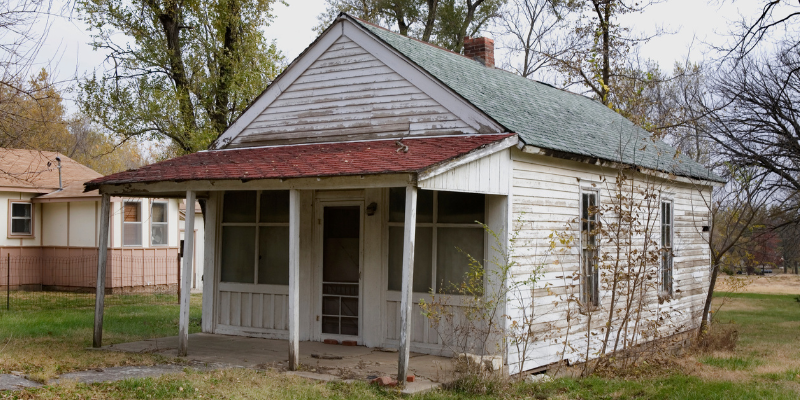
You’ve got a house that needs work, and the clock is ticking. Maybe the roof has seen better days, the HVAC hasn’t been touched since the George W. Bush era, or the kitchen looks like it was last updated when the Houston Astros were still called the Colt 45s. Whatever the condition, you’re not stuck. Selling a fixer-upper in Texas is completely doable, and in some neighborhoods it’s actually easier than people expect because there’s a deep, active pool of buyers who want exactly what you have.
How to Sell a Fixer-upper House in Texas
People tell me all the time they’re worried nobody will buy a house that needs work. That’s the wrong fear. The real estate market in Texas is big enough that there’s a buyer for nearly every property in every condition. Your issue isn’t whether your house will sell. Positioning it correctly to attract the right buyers at the right price is the real issue.
I met the Caldwell family after their Pflugerville home sat on the MLS for two listing cycles with zero offers. They called me exhausted and frustrated after spending money on a realtor who didn’t specialize in distressed properties. Packed floor to ceiling with equipment their father had collected over thirty years, the garage held decades’ worth of tools and machinery. Two expired listings and months of carrying costs later, they finally got the outcome they needed by selling directly to a cash buyer. Despite its rough shape, including the foundation, the property closed in under three weeks.
Texas homes are selling at a statewide median of around $343,000, so there’s real money in play even for properties that need work. Fixer-uppers face a particular challenge: the median time on market across Texas has stretched to 68 days, and distressed homes often take longer unless they’re priced and marketed specifically for investors and renovation buyers. Selling as-is to a direct cash buyer can cut that timeline by more than half.
Your two main paths are listing on the open market (with or without pre-sale repairs) or selling directly to cash home buyers in Texas. Neither is universally better. Choosing the right one depends on your timeline, your budget, and how much uncertainty you can absorb.
What Repairs and Upgrades Actually Matter Before You List
A mid-range kitchen refresh in the DFW area, think new countertops, fresh cabinet hardware, and updated fixtures, runs roughly $5,000 to $10,000 and routinely outperforms the return on a full gut renovation costing three times as much. Sellers pour $30,000 into a kitchen remodel, then hand 5 to 6 percent of their sale price to an agent in commissions, and they come out behind where they started (I’ve watched it happen more than once).
Do you know which repairs are genuinely worth your money and which are just cosmetic, offering peace of mind? In Texas, the answer is almost always: exterior first. Buyers form their opinion before they ever arrive. For the 37th year running, exterior projects deliver the highest return on investment, with 9 of the top 10 highest-ROI upgrades being exterior improvements. In a Texas market where buyers are pulling up Google Street View before they ever schedule a showing, first impressions are set before anyone steps foot on your property.
Energy efficiency sells in Texas. New windows, insulation, and HVAC systems appeal strongly to buyers already bracing for $300-plus summer electric bills. A functional HVAC system isn’t just a nice-to-have in San Antonio or Dallas; it’s a transaction prerequisite for most retail buyers.
Skip the luxury finishes. Over-improving beyond your neighborhood’s standard is money left on the table. A house in Oak Cliff doesn’t need quartz countertops that belong in Highland Park. Spend on what removes buyer objections: fresh interior paint, clean flooring, a functional HVAC, and a roof with honest years left. If you’re trying to sell a house with termites, addressing the issue or clearly disclosing the infestation can also help prevent surprises during negotiations. Everything else is optional.
How to Price a Fixer-upper Home in Texas

Pricing a fixer-upper is not about what your home would be worth after a fix. It comes down to the buyer’s math: contractor markup, the time required for the project, carrying costs, and the risk that something unexpected comes up once the walls are opened. Sellers across Texas are already taking roughly 5 percent off their asking price to close transactions on updated properties. For a fixer-upper, buyers expect to negotiate from a lower baseline, and they will.
A right pricing strategy starts with recently sold comps of distressed properties in your specific area, not updated ones. In a neighborhood like East Austin, where investors are active, you’ll get closer to after-repair value minus renovation costs. In a softer suburban market outside Fort Worth or in parts of Corpus Christi, you need to price more conservatively to generate any interest at all, because buyers there have plenty of options and won’t chase a number that feels off.
Active inventory across most major Texas metros has reached about 4.8 months of supply, which gives buyers options and leverage. When they have choices, they won’t overpay to take on a project property. Price accurately from day one, because price reductions after sitting signal desperation and invite lower offers (especially on already-distressed listings).
Zillow’s home values tool can give you a rough benchmark, but always cross-reference with a local investor or a real estate agent who specializes in distressed sales.
Who Buys Fixer-upper Homes in Texas?
The image most sellers have is a bargain-hunting flipper in a pickup truck, lowballing everything in sight. That picture is incomplete, and it causes sellers to turn away buyers who would actually pay fair prices.
Fixer-upper buyers in Texas fall into several distinct groups: local investors who flip houses, buy-and-hold landlords building rental portfolios, owner-occupants who want to buy in a desirable neighborhood at a lower entry price and renovate to their taste, and out-of-state investors drawn by Texas job growth and population trends. Houston’s energy sector drives a steady stream of relocating workers who often buy as-is properties specifically because they need a quick close, which means they’re not looking to haggle over repairs.
Cash buyers typically move faster and avoid the headaches of financing contingencies. When a house has serious issues, traditional lenders often refuse to fund the loan entirely, leaving a financed offer on a distressed property at real risk of falling apart at the appraisal or underwriting stage (foundation problems are a constant trigger).
If you’re considering a cash sale, JDub Buys Houses can provide a fair, no-obligation cash offer for your fixer-upper, allowing you to sell as-is without making repairs or waiting for traditional financing.
What Financing Options Do Fixer-upper Buyers Use in Texas?
Understanding how your buyer plans to pay is one of the most overlooked parts of selling a fixer-upper, and it will determine whether your transaction actually closes.
Retail buyers using conventional mortgages face the biggest obstacle. Lenders require appraisals, and appraisers flag properties with structural problems, non-functional systems, or health-and-safety issues. A property that won’t appraise won’t get a conventional bank loan, leaving the buyer’s financing to fall apart, no matter how motivated they are.
The FHA 203(k) loan lets buyers roll the purchase price and renovation costs into a single loan. It’s used by owner-occupants who plan to live in the property and fix it up. Slow and requiring a contractor to offer upfront, the process opens your pool to buyers who want to own rather than invest. The Fannie Mae HomeStyle Renovation loan works similarly with slightly broader guidelines (and it’s available on second homes).
Hard money lenders fund flippers and investors, often closing in a week or two. These are short-term, high-interest loans secured by the property’s after-repair value. Buyers using hard money are sophisticated, move quickly, and they’ve already priced your house, knowing exactly what the renovation will cost.
Cash buyers need no lender approval. That certainty of close is worth something, and it’s why many sellers accept a lower price from a cash buyer over a higher financed offer that might not survive underwriting.
How to Market a Fixer-upper to the Right Buyers
List a distressed property on the MLS with the same photos and description you’d use for a move-in-ready home and watch it rot. Wrong buyers will tour it, get cold feet, or submit offers contingent on repairs the seller can’t afford to make.
Marketing a fixer-upper starts with targeting the right audience, not the widest one. Investor-focused platforms like BiggerPockets and local Facebook investment groups reach buyers who aren’t scared off by deferred maintenance. Your listing description should clearly highlight the property’s investment angle: lot size, proximity to amenities, ARV potential, and any recent mechanical updates.
Drone photos outperform interior staging for properties in rough condition. A great aerial shot of a large corner lot in a growing area of Fort Worth’s Near Southside says more to an investor than carefully staged interior shots of rooms that need work (investors are buying the land position anyway).
Disclose everything. Texas law requires sellers to complete a Seller’s Disclosure Notice covering all known defects. Disclosed problems, priced correctly, close transactions. Undisclosed problems kill them, sometimes in court.
Reach out to local real estate investment clubs in Dallas, Austin, San Antonio, and Houston. These groups have active buyers always looking for the next project, and a direct introduction tends to move faster than a traditional MLS listing. You can also contact a company that buys houses in Amarillo and surrounding Texas cities. If your property is closer to Austin or Houston, cash home buyers in Austin and cash home buyers in Houston can move just as fast on a distressed sale.
What to Look for in a Texas Real Estate Agent for Fixer-uppers
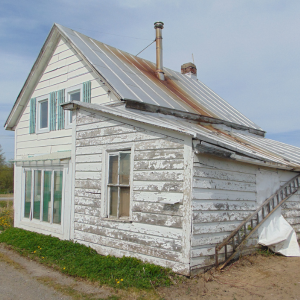
The wrong agent will suggest cosmetic updates you don’t need, price the home like it’s updated, and panic when it sits on the market. The right one knows how to present a property’s bones to investors, understands contractor costs in your specific market, and has closed transactions on houses with foundation issues, deferred roofs, and aging electrical panels.
Ask directly: how many distressed or as-is properties have you sold in the last twelve months? You can request addresses and pull the sales records yourself. An agent who works with investors regularly knows how to price for that buyer pool and won’t flinch at a slab crack or an HVAC system from 2003.
Local knowledge matters more than brand name. An agent with deep roots in the Alamo Heights or Midland market knows what investors are paying per square foot for renovation projects right now. A national franchise agent who floats in from out of town does not, and hiring one leaves real money on the table. The Texas Real Estate Commission licenses all agents and provides a public lookup tool so you can verify credentials before signing anything.
Commissions are negotiable. In a market where sellers are already taking price cuts, choosing an agent whose fee structure makes sense for a distressed sale protects your bottom line.
How to Close the Sale Fast and Walk Away with More Money
Caroline Reeves got a job transfer to Seattle and had exactly five weeks to be out of her Katy home. The house had two decades of deferred maintenance, original windows, and a back porch that hadn’t been structurally sound in years. She called a traditional agent first, who wanted to spend three weeks on prep work before listing. There wasn’t time for that. She reached out to a direct buyer, received a cash offer within 48 hours, and closed before her transfer date with no repairs, showings, or commission deducted from her proceeds.
Speed and certainty usually come from cash buyers and a clean contract. Every month you carry an unsold property, you incur mortgage payments, insurance, property taxes, and utilities. In the Houston area, those carrying costs can run $2,500 to $4,500 per month, so a fast close at a slightly lower price nets more than a longer process at a higher list price (I’ve watched sellers learn this the hard way).
Negotiate your closing costs carefully. On a standard Texas sale, agent commissions plus title fees, taxes, and concessions can pull 6 to 10 percent out of your proceeds. Skipping the agent and selling directly eliminates the biggest chunk of that. Prepare your seller’s disclosure before any buyer asks for it. Have your title company identified. Pull together any permits for work you’ve done. A seller who walks into closing organized moves the process faster, and faster means fewer days of carrying costs eating into your profit.
If you’re looking to sell quickly, contact us for a fair cash offer. We buy houses in any condition, with no repairs, no agent commissions, and a closing timeline that works for you.
Selling a fixer-upper house in Texas is all about choosing the strategy that works best for your situation. Some homes benefit from a few targeted repairs before listing, while others make more sense to sell as is to buyers looking for renovation projects. By understanding your property’s condition, pricing it realistically, and marketing it to the right audience, you can avoid unnecessary expenses and increase your chances of a successful sale. No matter how much work your home needs, there is a buyer for it. The key is finding the right one and choosing the approach that helps you move forward with confidence.
Frequently Asked Questions
How Do You Sell a Fixer-upper House Fast?
The fastest path is selling directly to a cash buyer who doesn’t need lender approval or a home inspection contingency. Cash buyers can typically close in two to three weeks on an as-is property. If you want to list on the MLS, price the property at market rate for its condition from day one and market directly to investors. Overpriced listings sitting on the market for months end up netting less, not more.
How Do You Avoid Capital Gains Tax on a Home Sale in Texas?
If you’ve lived in the home as your primary residence for at least two of the last five years, the IRS allows you to exclude up to $250,000 in gains if you’re single, or up to $500,000 if you’re married filing jointly. Texas has no state income tax, so federal rules are your main concern. Every situation is different, and tax law changes frequently, so talk to a CPA before you close.
What Should You Not Fix Before Selling a House?
Skip the major cosmetic projects that don’t move the needle for buyers, like full bathroom gut renovations, luxury appliance upgrades, or landscaping overhauls in the backyard. Swimming pools are a money pit for resale. Highly personal upgrades rarely return their cost. Focus on things that kill sales: a functioning HVAC system, a roof that won’t fail inspection, and basic safety items. Everything else is optional when you’re selling to an investor or a buyer who plans to renovate themselves.
If you’ve got a fixer-upper in Texas and you’re trying to figure out the best move, we’re here to talk it through. No pressure, no obligation, just a straightforward conversation about your situation and your options. At JDub Buys Houses, we buy fixer-upper homes in any condition and can provide a fair, no-obligation cash offer. Reach out to us at (806) 855-8006 whenever you’re ready.
Helpful Texas Blog Articles
- Can you sell a House in Texas with a Tax Lien on it?
- Can I Sell My House for Less than Appraised Value in Texas?
- What Taxes Do You Pay When Selling a House in Texas?
- How to Sell a House with a Squatter in Texas
- Can You Sell Your House With A Quitclaim Deed In Texas
- Are Open Houses Still Effective For Selling Your Texas Home In Today’s Market
- FSBO Costs And Fees For Texas Home Sellers
- How to Avoid Closing Costs in Texas
- How to Sell a Fire-Damaged House in Texas
- How to Sell a Fixer-Upper House in Texas